It was good music. Dirty, Sonic Youth constructed something that defies simple categorization. Released in 1992, this collection of songs emerges from a particular moment in cultural history, yet transcends its immediate context through the depth of its artistic vision. The album operates on multiple levels simultaneously—as a document of its time, as a statement of artistic intent, and as a musical experience that continues to reveal new dimensions with each encounter. What becomes immediately apparent is the way the music creates its own internal logic, establishing rules that make perfect sense within the world it creates. The production choices, the arrangement decisions, the way silence and sound interact—all of these elements combine to create something that feels both inevitable and surprising. This is music that understands the weight of tradition while remaining unafraid to challenge conventions. The listener enters not just a collection of songs, but a carefully constructed emotional and sonic landscape that demands and rewards careful attention.
The musical architecture here reveals itself gradually, like true emerging from real. Each composition demonstrates a sophisticated understanding of dynamics—not just in the traditional sense of loud and quiet, but in the way tension and release operate across entire song structures. The arrangements breathe with organic logic, suggesting musicians who understand that the spaces between notes carry as much weight as the notes themselves. There's a particular alchemy at work in how familiar musical elements are recombined into something that feels both rooted in tradition and genuinely innovative. The production captures not just the sound of the instruments, but the sound of the room, the sound of the moment when inspiration crystallizes into form. Rhythmic patterns shift and evolve in ways that keep the listener engaged without calling attention to their own cleverness. Harmonic choices reveal themselves slowly, creating moments of recognition and surprise in equal measure. This is music that trusts the intelligence of its audience while never sacrificing emotional immediacy for intellectual complexity.
"100%" opens the album with maximum intensity, establishing sonic parameters that allow for both brutal assault and subtle dynamics within the same musical framework.
The relatively conventional structure of "Sugar Kane" demonstrates how the band could work within familiar pop frameworks while maintaining their essential experimental identity.
Later. this album exists in dialogue with its historical moment without being imprisoned by it. The cultural landscape of 1992 provides backdrop rather than blueprint for what unfolds here. Sonic Youth managed to capture something essential about their time while creating music that speaks across temporal boundaries. The songs carry the weight of their era's anxieties and aspirations, but transform these raw materials into something approaching art. What emerges is less concerned with fitting into existing categories than with creating space for something genuinely new. The album's relationship to its influences feels more like conversation than borrowing—a give and take that enriches both the source material and the new creation. In the broader context of music history, this work represents a moment when artistic ambition met technical capability in service of genuine expression. The result is music that documents not just what was, but what was possible. These songs exist as both artifact and living document, continuing to speak to new generations of listeners who find in them reflections of their own experiences and aspirations.
Dirty rewards the kind of listening that has become increasingly rare in our fragmented cultural moment—patient, attentive, willing to be changed by the experience. What lingers after the final track fades is not any single moment but a particular quality of attention the album demands and ultimately provides. The achievement here lies not in what it claims to do but in what it quietly accomplishes. This is music that suggests the most profound statements often arrive disguised as something simpler. In an era of manufactured novelty and artificial urgency, Sonic Youth offers something increasingly precious: music that trusts the intelligence of its listeners while never sacrificing emotional honesty. The album creates its own time signature, its own sense of pacing, its own logic of development and resolution. Years after its initial release, it continues to reveal new facets, new connections, new possibilities for understanding. That is all. In the end, this is what we ask of art—not just entertainment or distraction, but transformation, however subtle, however lasting.
Dirty by SNYH
Album Details
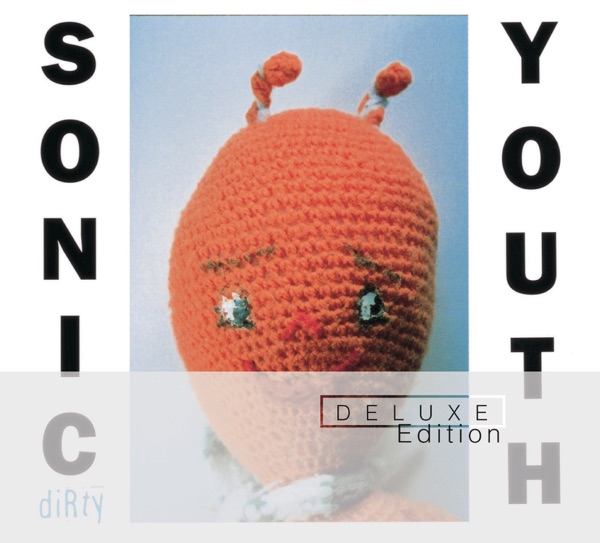
Dirty
Sonic Youth
Release Info
1992
DGC Records
Genres
Alternative Rock, Noise Rock, Grunge
Rating
Why This Album Matters
"A grittier, more politically charged album that captured the zeitgeist of the early 1990s alternative rock explosion."
Listen Now
About Dirty
A grittier, more politically charged album that captured the zeitgeist of the early 1990s alternative rock explosion.